Tokyo Nightlife Guide: Bars, Izakayas, Clubs & Late-Night Eats
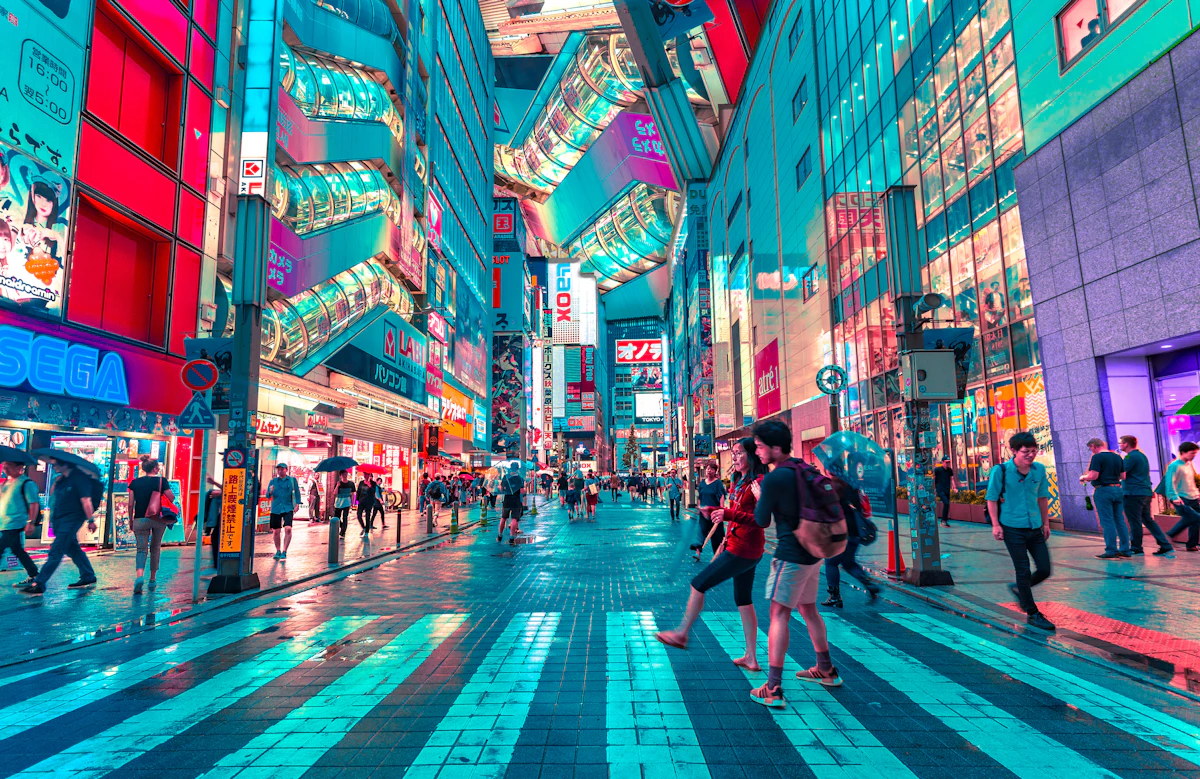
Tokyo Nightlife Guide: Bars, Izakayas, Clubs & Late-Night Eats
From hole-in-the-wall Golden Gai bars to Roppongi clubs — how to experience Tokyo after dark
Tokyo never truly sleeps. Whether you're after a quiet whisky in a jazz bar, grilled skewers at a smoky izakaya, all-night ramen after the clubs close, or a rooftop cocktail with skyline views, the city delivers every possible flavor of nightlife. This guide covers the best areas, venues, and insider tips for experiencing Tokyo after dark.
Understanding Tokyo's Nightlife Geography
Tokyo's after-dark scene is spread across distinct neighborhoods, each with its own personality. Knowing where to go saves time and sets the tone for your evening.
Golden Gai: Tokyo's Most Atmospheric Bar District
Tucked into six narrow alleyways in Shinjuku, Golden Gai (ゴールデン街) is one of Tokyo's most unique drinking experiences. Around 200 tiny bars — most seating only 5–8 people — are packed into a maze barely larger than a city block. Each bar has its own theme, soundtrack, and personality. You might find a bar dedicated entirely to horror films, another playing only 70s soul, another owned by a retired actor who will tell you fascinating stories all night.
Cover charges range from ¥500–¥1,500 but are worth it. Don't be shy — most bars welcome foreigners, and many have English-speaking owners. Simply wander the alleys and pick whichever sign, music, or smell appeals to you. The atmosphere after midnight on weekends is genuinely magical.
Izakayas: The Japanese Way to Drink
No Tokyo nightlife experience is complete without an izakaya (居酒屋) — Japan's version of a pub. You sit down, order drinks and a parade of small dishes (yakitori, edamame, karaage, gyoza), and share food while the evening unravels slowly. It's the default social gathering place for Japanese salary workers, young friends, and anyone in between.
Types of Izakaya
- Chain izakayas (Torikizoku, Watami, Shirokiya) — Cheap, usually under ¥2,000/person, picture menus make ordering easy. Perfect for budget travelers.
- Yakitori-ya — Charcoal-grilled chicken skewers, typically found under train tracks. Order by the skewer, wash down with cold beer or highballs.
- Tachinomi bars — Standing-only drinking spots. Cheap, quick, no fuss. Common near train stations.
- Robatayaki — Fireside grilling, often more atmospheric and expensive. Servers pass food to you on wooden paddles.
Ordering tip: Most izakayas have a "nomihoudai" (飲み放題) all-you-can-drink option for ¥1,500–¥2,500 for 2 hours. Perfect for groups. Say "nomihoudai onegaishimasu" to ask for it.
Omoide Yokocho (Memory Lane)
Just west of Shinjuku Station, Omoide Yokocho (思い出横丁) is a narrow alley packed with tiny yakitori stalls dating back to the postwar era. Smoke, the smell of charcoal, and the sound of sizzling meat fill the air. Squeeze into a stool, order chicken skewers and a cold beer, and watch the city flow past. It's touristy but genuinely atmospheric — go around 7–9pm before it gets too crowded.
Clubs and Dancing
Tokyo has a surprisingly diverse club scene after a rocky period following 2010s anti-dancing laws (now repealed). Ageha in Shin-Kiba is one of Asia's largest clubs with multiple floors and a pool. Womb in Shibuya draws top international DJs to its impressive sound system. Contact in Shibuya focuses on underground techno. Ele Tokyo in Roppongi is more mainstream but fun.
Expect cover charges of ¥2,000–¥4,000 (often includes one drink). Clubs typically get going after midnight and run until 5–6am when the first trains start. Dress smart-casual — overly casual clothes (shorts, flip-flops) may get you turned away.
Bars Worth Seeking Out
Whisky Bars
Japan produces some of the world's finest whisky, and dedicated whisky bars let you taste rare single malts that aren't exported. Bar High Five in Ginza is legendary among cocktail enthusiasts. Zoetrope in Shinjuku has over 300 Japanese whiskies. Expect ¥1,500–¥3,000 per glass at quality bars, but the experience is unforgettable.
Jazz Bars
Tokyo has a deep jazz culture. Cotton Club in Marunouchi hosts international acts in an elegant setting. Bar Swing in Shinjuku is tiny, smoky, and plays nothing but vinyl — a time capsule from another era.
Rooftop Bars
Sky-high cocktails with Tokyo views: The Rooftop Bar at Trunk Hotel in Shibuya, Bar Jonio at Hotel Gracery Shinjuku (Godzilla head views), and the Park Hyatt New York Bar (Lost in Translation setting) are all worth the splurge.
Practical Tips for Tokyo Nightlife
- Last train: Most trains stop around midnight–1am. Check the last train time before going out, or plan to stay until 5am when service resumes. Taxis are expensive.
- Karaoke: Don't leave Tokyo without doing karaoke. Private rooms let you sing without embarrassment. Joysound and Big Echo are reliable chains, typically ¥500–¥1,000/hour.
- Cash: Many small bars are cash-only. Carry at least ¥5,000–¥10,000 for a night out.
- Etiquette: Don't be loud and rowdy in residential areas. Keep it together on the train home. Tokyo nightlife is lively but not rowdy by international standards.
- Late-night food: Ramen, gyudon (beef bowl at Yoshinoya/Sukiya), and convenience store onigiri are the classic post-night-out options. Many ramen spots are open 24 hours.
Where to Stay for Tokyo Nightlife
Stay in Shinjuku or Shibuya for the best access to Tokyo's nightlife. Both neighborhoods are lively, well-connected, and have accommodation for every budget. See our Shinjuku guide and best areas to stay in Tokyo.


Comments
Post a Comment